
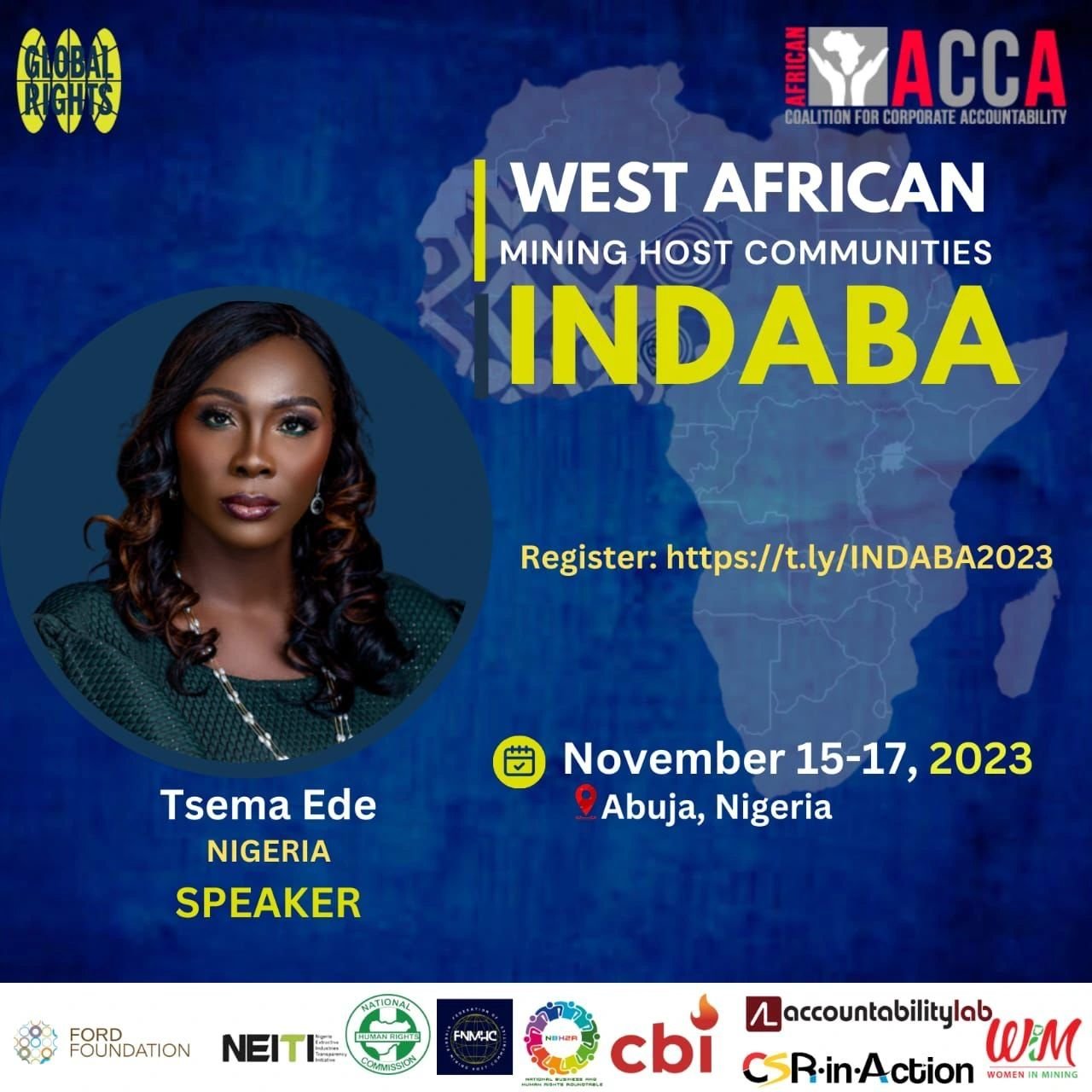
Facilitating a Session on Climate Smart Mining at the West African Mining Host Communities Indaba
Global Rights, in partnership with the African Coalition for corporate Accountability hosted the West African mining host communities Indaba. There, I facilitated a session on the need to adapt Climate Smart Mining for the resilience of mining host communities.In our quest to transition to cleaner energy production and deviate from fossil fuels, it’s important for African countries to ensure the protection of host communities as the world mines our minerals and metals for renewable energy.I thoroughly enjoyed the session, the audience was engaging, I thought they’d be bored with the subject but the feedback was really good.That being said, I really enjoy discussing policy and human rights.
Read More
Policy & Human Rights Advocacy Training11
Welcome to WordPress. This is your first post. Edit or delete it, then start writing!
Read More

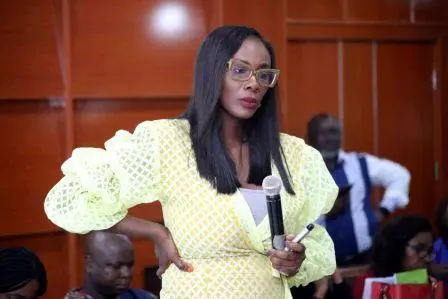
Tsema Ede Highlights the Urgent Need for Ethical Mining and Regulatory Accountability in Nigeria
A renowned natural resources governance expert, Tsema Ede says the inability of successive governments to institute ethical mining in Nigeria is a reflection of the huge deficit in mandate fulfillment of regulatory authorities. She pointed out that the essence of regulatory bodies is to enforce compliance in order to ensure that mining operators adhere to standards. Ede, who expressed the concern in Abuja, at a recent two-day training of mining sector journalists, organized by Global Rights – a nongovernmental organization, said it is unfortunate that worrisome mandate shortfall persists despite various legal and institutional frameworks supposedly put in place to ensure ethical mining in the country. The expert warned that if institutional watchdogs of the mining sector fail to fulfill their mandates, the sector may not be able to deliver the promises of economic development it holds for the country, stating that the country is blessed with enormous solid mineral resources. “The mining sector has been described as a critical component of Nigeria’s economy as it is said to be providing essential resources, employment opportunities and revolution streams that support economic growth, diversification and sustainable development,” she said. Ede, while delivering her lecture, said promoting ethical mining practice is not only a moral imperative but also strategically important to maximizing the sector’s contribution to Gross Domestic Product and advancement of the country. She discussed ethical mining as mining practice that prioritizes environmental protection, social responsibility and economic viability. Ede further noted that ethical mining aims to remove negative impact of mining activities on the environment, local communities and workers while maximizing the benefits of stakeholders involved. While speaking on the significance of the mining sector to Nigeria’s economy, Ede said it contributed to the Gross Domestic Products and revenue generation. She stated’: “It also provides diversification opportunities; provides employment opportunities for a significant portion of the population both directly and indirectly,” adding that through diversification, the mining sector strengthens Nigeria’s resilience to global oil prices fluctuations and economic slide as well as enhancing industrial and rural development. While speaking on the key principles of ethical mining, Ede said it minimizes economic degradation and promotes eco system conservation. “It minimizes the footprint of the miner’s operations and ensures the responsible use of natural resources. “It provides social responsibility in term of respect for rights, interests and wellbeing of host communities and other local communities affected by mining operations. “It also enhances engagement with host communities in a transparent and participatory manner, respects local cultural heritage and traditional land rights. “It addresses host community concerns regarding environmental impact, livelihood and social development,” she added.. She said in terms of health and safety, ethical mining means prioritizing the health and safety of workers and communities. “It ensures compliance with occupational and safety standards, and provides a safe mining environment free from hazards and risks. “Upholds fair labour practices and human rights standards; prohibits child labour and forced labour and promises diversity, equity and inclusion in the work place. Ethical mining guarantees full disclosure of information about mining activities, environmental impacts and socio-economic contributions. An ethical miner operates according to law, regulations and international standards governing many countries, environmental protection, human rights and corporate social responsibility.” At the training, the expert highlighted steps that must be taken to ensure ethical mining. This she puts thus: “Strengthening regulatory frameworks and enforcement mechanisms; enhancing transparency and accountability in revenue management; investing in research and development of sustainable mining technologies; promoting community engagement and empowerment thorough capacity building and respect for Community Development Agreements (CDAs).” She called on agencies of government to note the following points when demanding accountability in the mining sector. These, according to the renowned natural resources governance expert are: “The Federal Ministry of Solid Minerals Development; Federal Ministry of Environment; the National Environmental Standards and Regulations Enforcement Agency (NESREA) and the courts. She listed legal remedies against violations of ethical mining to include enforcement of fundamental human rights; enforcement of contracts including CDAs; compelling government ministries to perform their duties and compelling companies to fulfill their duties as well as petitions and protests.
Read More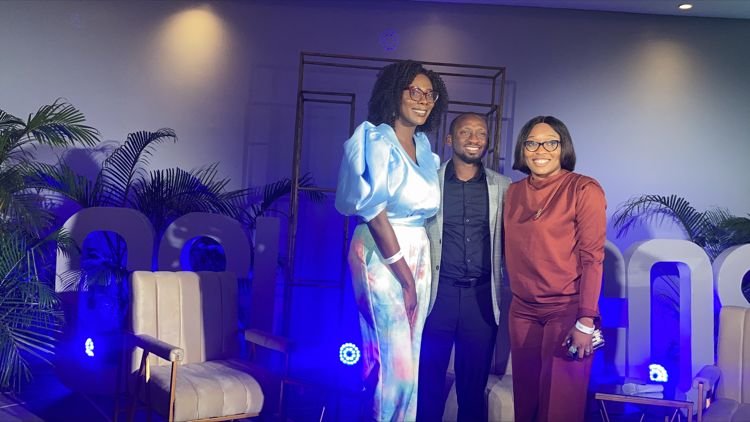
Discussing Media Democracy and Civic Space at Climate Story Lab Lagos
Surge Africa Org hosted the hashtag#climatestorylablagos on the 18th and 19th of October 2023. There, I sat in a panel with Dr. Tobi Oluwatola and we talked about Media Democracy, shrinking civic spaces and their relationship with the climate crisis. It was good to learn and share for two days.
Read More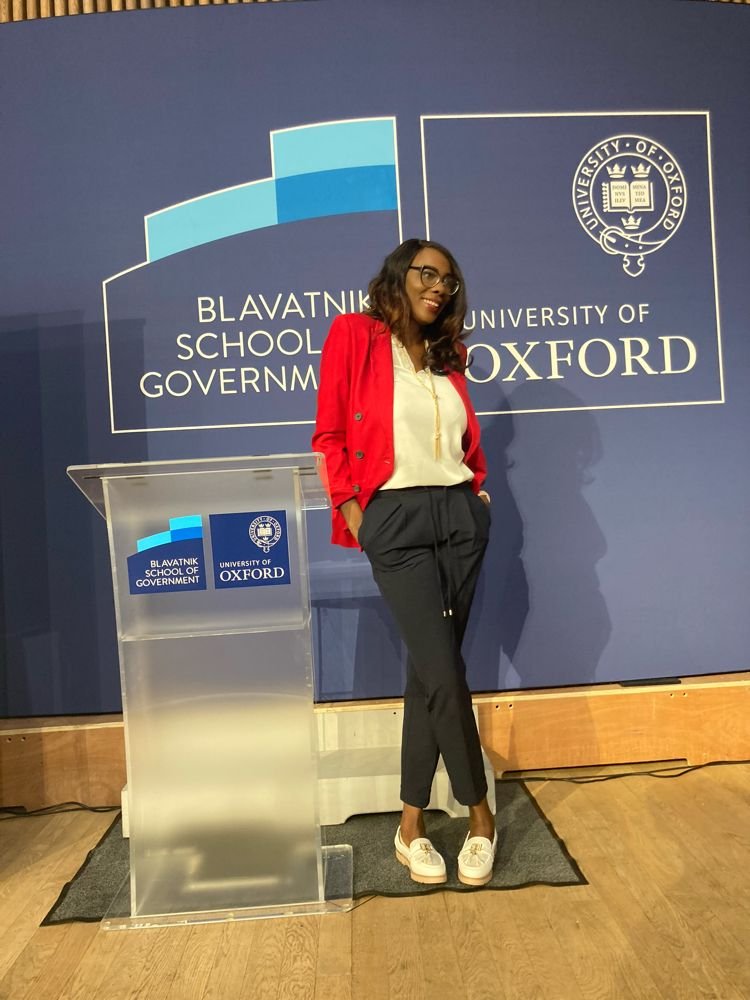
Honoured to Graduate as an Alumni of the Blavatnik School of Government, University of Oxford
Since I started work in natural resource governance, I have followed Sir Paul Collier’s work closely and I have learnt a lot from his writing. To sit in a class and learn directly from him was a dream come true. To make it more surreal I received my certificate from him. Now, I believe that dreams come true. I stand on the shoulders of the women who have come before me and I make my shoulders available for the women behind me to stand upon. That said, I am now an Alumni of the Balvatnik School of Government at the University of Oxford. Cheers to this win and to more to come.
Read More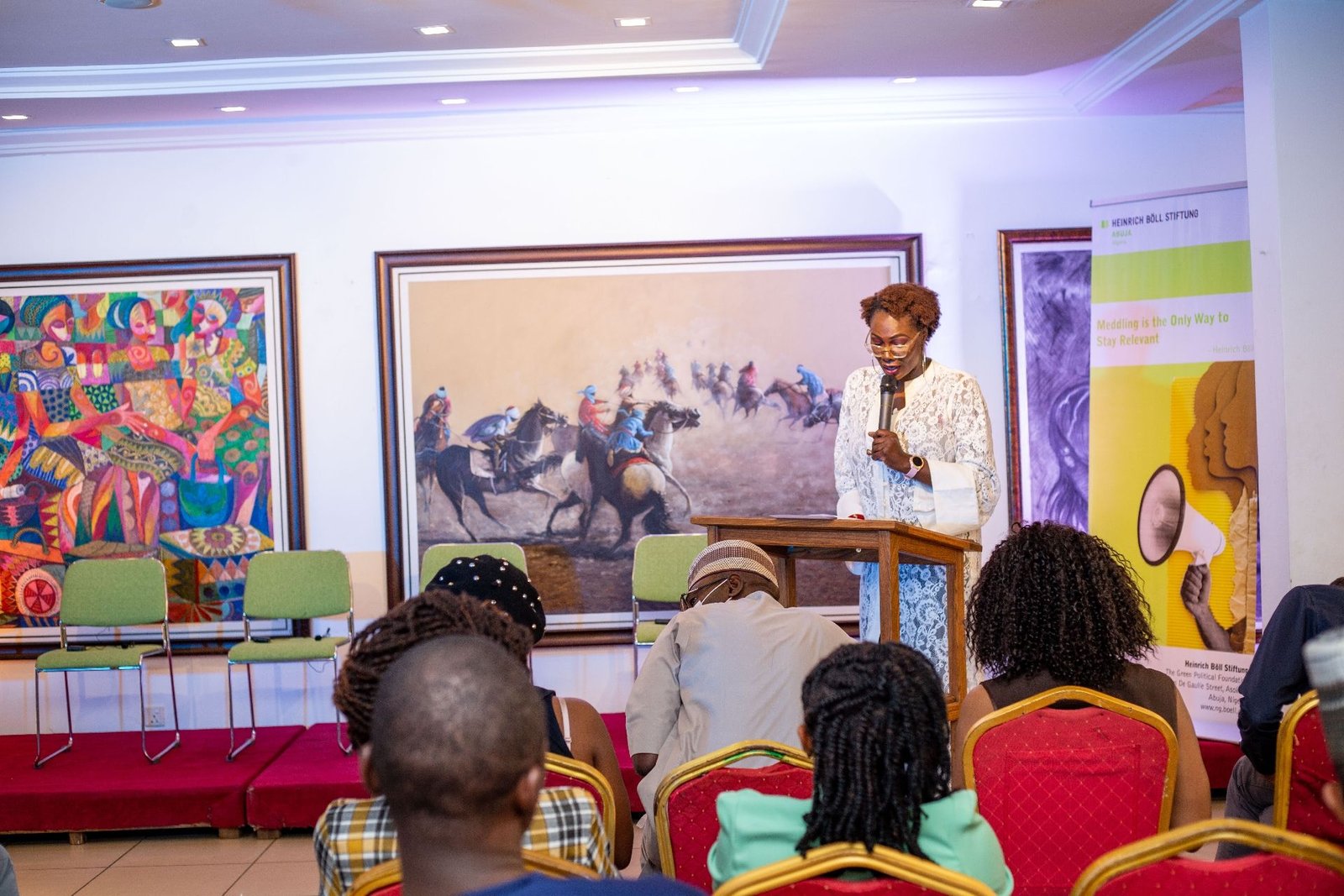
Championing Feminist Leadership in Nigeria: A Powerful Conversation Hosted by Heinrich Boell Foundation
On the 24th of October, Heinrich Boell Foundation Abuja hosted a conversation on Feminist Leadership in Nigeria. The conversation had seasoned Feminists across diverse sectors. From Ireti Bakare, a media and broadcast professional,who spoke about starting and sustaining a Feminist movement at the aftermath of hashtag#endsars. To Simi Olusola who shared about her journey from civil society to social impact and now, politics and the lessons she learned. Also Cynthia Mbamalu, with proof of women who have gone before us, debunked claims that “feminism isn’t african”. Ms Asma’u Joda a veteran, brought it home and reminded us of the importance of raising and maintaining Feminist women’s movements. Sharon Adetutu Omotoso reminded us that Feminist Leadership is integral and it is in the construction of bridges, the designing of university curricula, and it is in being strategic. These women are heroes and Nigeria is privileged to have women leading from the front as we move to promote Feminist Leadership in Nigeria and Africa as a whole.
Read More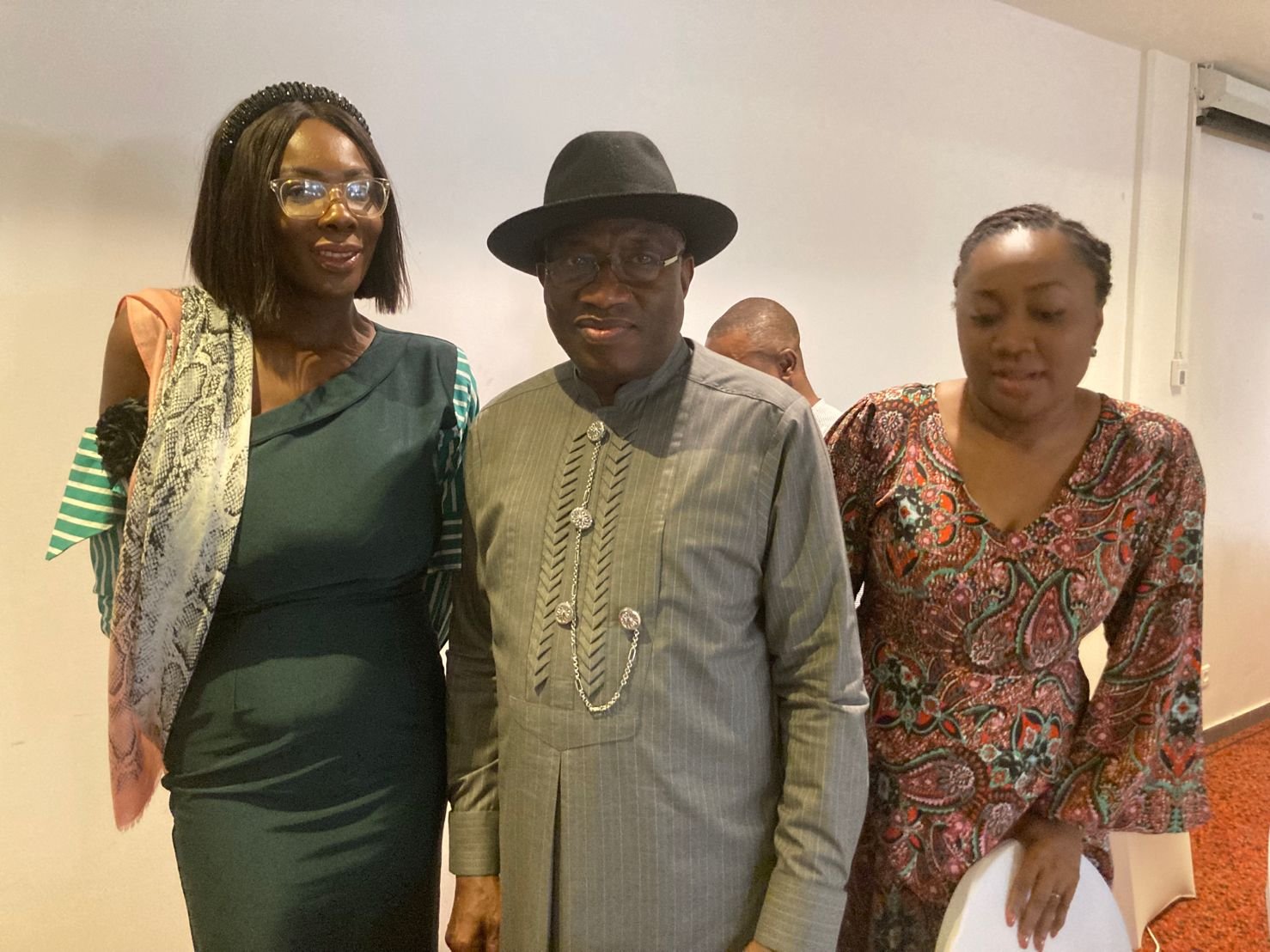
Speaking at the West African Elders Forum on Advancing Democracy in the Region
Last week, I was privileged with the opportunity to speak on a panel at the West African Elders Forum, in Dakar, Senegal. The event was hosted by the Goodluck Jonathan Foundation. I with other panelists and past West African presidents spent two days discussing best ways to tackle the problems facing democratic progress in the West African region. I strongly believe that the best ways to solve our problems is to look within by applying our different peculiarities to the solutions we proffer. I have faith in the region and the resilience of our people. It was especially rewarding to see past presidents of Nigeria, Sierra Leone, and the ECOWAS Commission tell us about the lessons they learned during their leadership tenure. There’s a lot to be done in the region, and I feel blessed that I get to contribute, by amplifying the voice of persons at the grassroots to the conversations.
Read More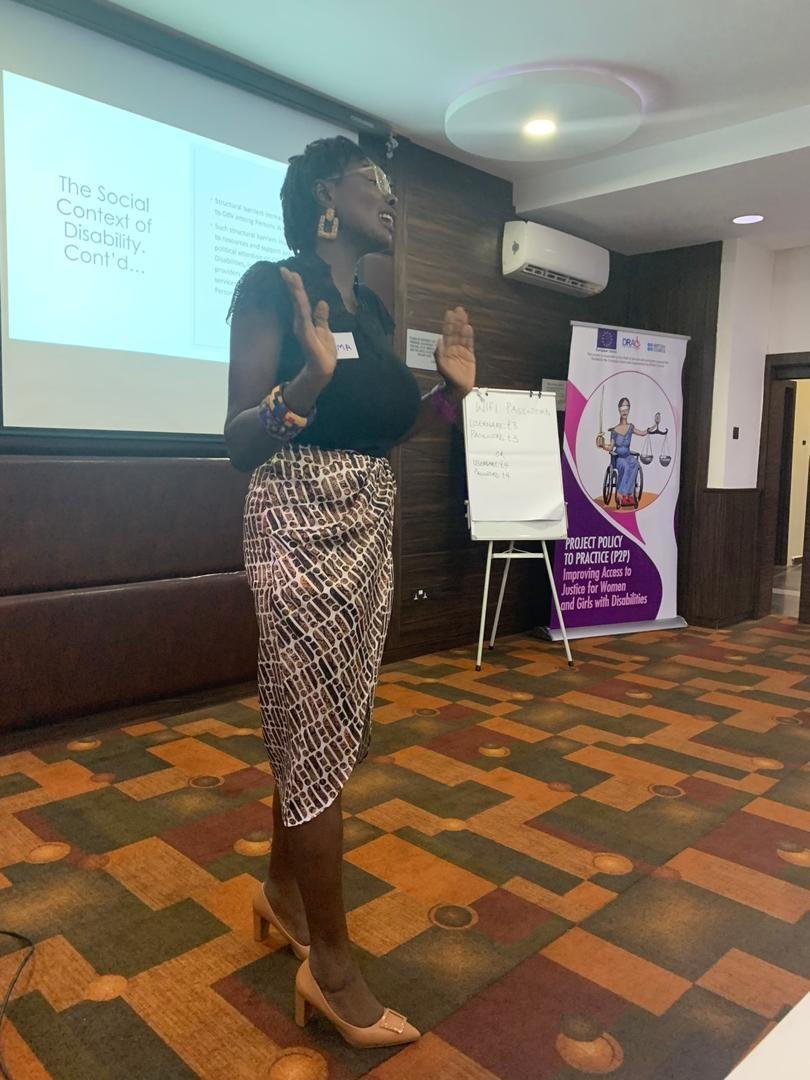
Promoting Disability Rights: Reflections on Inclusion, Dignity, and Personal Growth
I met Crystal Chigbu in 2019 and she changed my life in the most beautiful ways. Knowing her, spending time with her, and learning from her led to my interest in Disability Rights conversations, thank you so much for the light you have brought to my life, @Crystal. Working in Human rights, I have always known how important each person is. I also understand how necessary it is for everyone to have equal access and opportunities. However, as I look back and reflect on the past year, I am humbled by all I have learned and the growth I have experienced.Like the UDHR will say, “every human is deserving of dignity and respect”. I have come to understand that we disrespect persons with disabilities and strip them of dignity when we do not provide access, remove barriers, and promote their inclusion in all spheres. Women with disabilities are even more vulnerable with the intersections of gender, disability and sometimes, poverty. We must do better to promote disability rights. I believe that begins by confronting our own biases.
Read More