
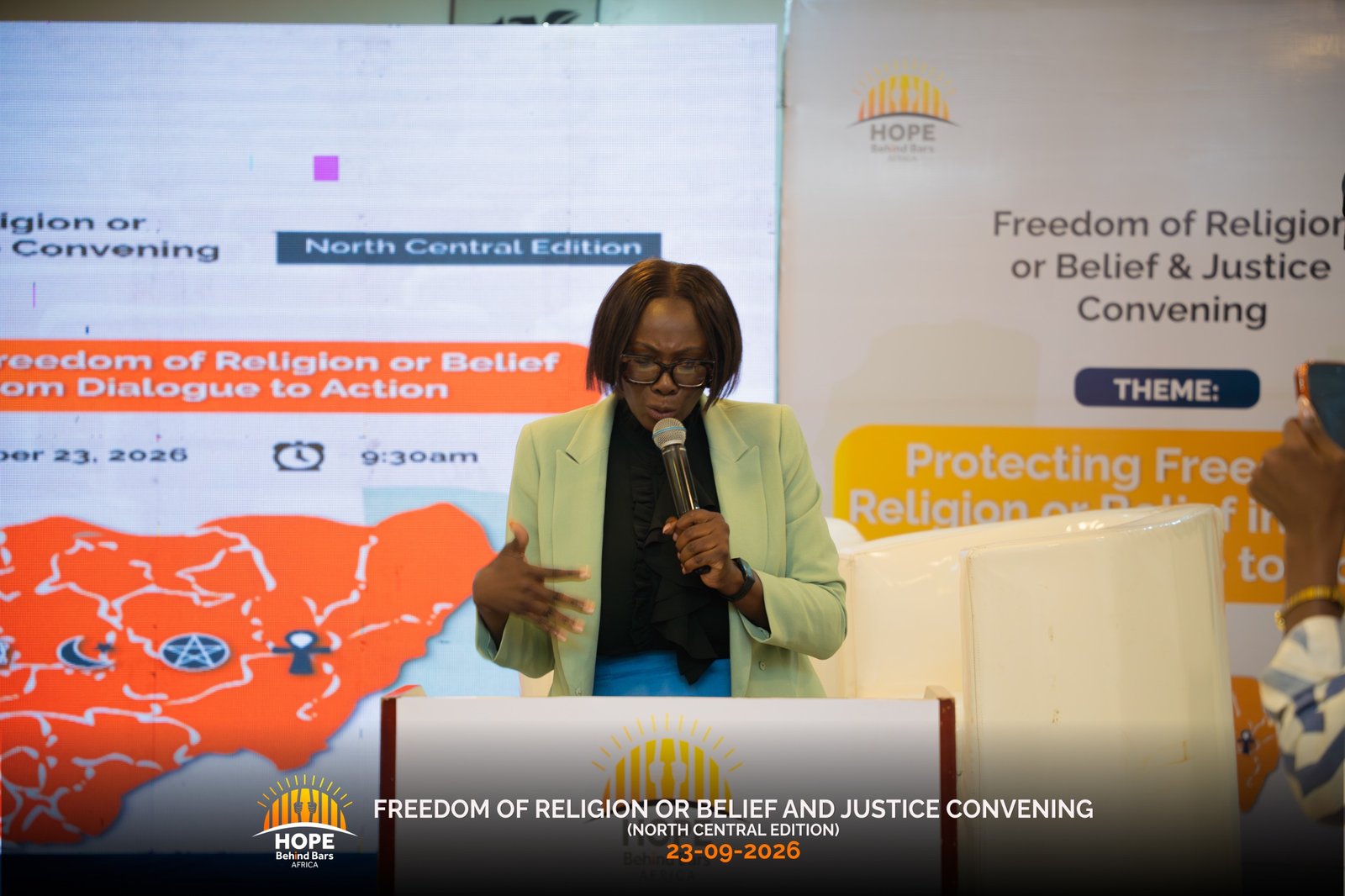
Religion, Tolerance, Criminal Justice, and Equality
Nelson Mandela, in his 1994 autobiography, Long Walk to Freedom, stated that “No one is born hating another person because of the colour of his skin, or his background, or his religion. People must learn to hate, and if they can learn to hate, they can be taught to love, for love comes more naturally to the human heart than its opposite.” Since my father’s passing in 2024, my life has been mostly reflective, and a major part of my reflections have been on the kind of change I want to see and how that translates into the work I do in human rights. Evidently, the University of Oxford’s MSc IHRL programme afforded me the opportunities to expand the scope of my knowledge of human rights law and practice by doing and learning more. Making optimum use of the opportunities at Oxford, I began by challenging myself to learn subjects that I had not directly tackled in my human rights career. One of such subjects was on the rights to freedom of religion and belief (FORB). A challenging but necessary subject. I needed to understand the rights to freedom of thought, conscience, religion, belief, and expression and how that relates to peacebuilding, conflict resolution, equality, discrimination, and criminal justice. What a ride it has been! In the past year, thanks to partnerships with organisations like MISEREOR in Nigeria, Concord Initiative, and the Catholic Secretariat. My work on promoting inter-faith dialogue, religious rights, and conflict resolution has deepened. I consider myself privileged to have sat in rooms with religious leaders, traditional leaders, and CSOs across the country to facilitate and moderate sessions on peacebuilding and FORB. Recently, I delivered my first Keynote Paper at Hope Behind Bars Africa’s Regional Convening on the Right to Freedom of Religious Belief in Nigeria, titled Moving Beyond Tolerance to True Belonging by strengthening Freedom of Religion or Belief (FoRB) through rights-based criminal justice and equal citizenship in Nigeria. Drawing on Nelson Mandela and Timothy Keller’s writing, I emphasise prejudice as a learned, systemised behaviour, arguing that true tolerance requires defending human dignity even when disagreeing with others’ beliefs. Distinguishing tolerance from belonging, the paper argues that tolerance is often passive, conditional, and treated as a concession by dominant groups. Belonging, on the other hand, represents genuine connection, mutual respect, and valuing others for who they are. As human beings, we must move from tolerance to belonging, because true constitutional democracy demands equal citizenship and mutual respect, not mere endurance. FoRB transcends the realm of a persuasive right. Grounded in global and regional instruments, it is a right that must be protected for all citizens. The 1999 Constitution, as amended, guarantees the freedom to profess a religion or belief, freedom to change one’s religion or belief, the freedom to criticise any religion or belief, and freedom to profess no religion or belief are indicative of a civilised society. These rights necessitate the evolution of a true and virile democracy. The FoRB right is intrinsically linked with the rights to freedom of expression, freedom of association, and other civil and political rights. Consequently, no country can lay claim to promoting and protecting human rights without guaranteeing the freedom of religion or belief of all its people. Nigerian society struggles with intolerance based on religious beliefs. The Nigerian reality is that a dangerous gap exists between constitutional rights on paper and protection in practice. The problems are manifested as social and political pressure, religious tensions, discrimination against minorities, and the friction between equal citizenship and indigeneity. The Nigerian reality includes insulting or mocking another person’s beliefs, the deprivation of opportunities for people of minority religious groups, and intentional speech focused on inciting violence. It is noteworthy that arrests and convictions under blasphemy laws also fall within the ambit of intolerance. Religious intolerance not only manifests itself in clear actions, but also in deeply rooted behavioural structures such as avoiding individuals based on how they look, how they dress, and their names. These discriminatory practices result in unequal treatment of others based on their beliefs. Nigeria needs to step up in its obligations and responsibilities when it comes to human rights and FoRB protections. We need institutional and legislative reforms that eliminate indirect discrimination, protect minority expression, and push back against the weaponisation of vague laws on blasphemy or public disturbance. Our criminal justice and law enforcement architecture must ensure due process, protect against mob justice, and train law enforcement to impartially investigate and prosecute religion-based violence. National unity is critical to protecting Nigeria’s diversity. Achieving this requires action over rhetoric: systemic reform, equal protection, and an unwavering commitment to the rule of law. These are the binding elements that hold a multi-faith democracy together. As Scott Howard Phillips said, “You can’t pick and choose which types of freedom you want to defend. You must defend all of it or be against all of it.”
Read More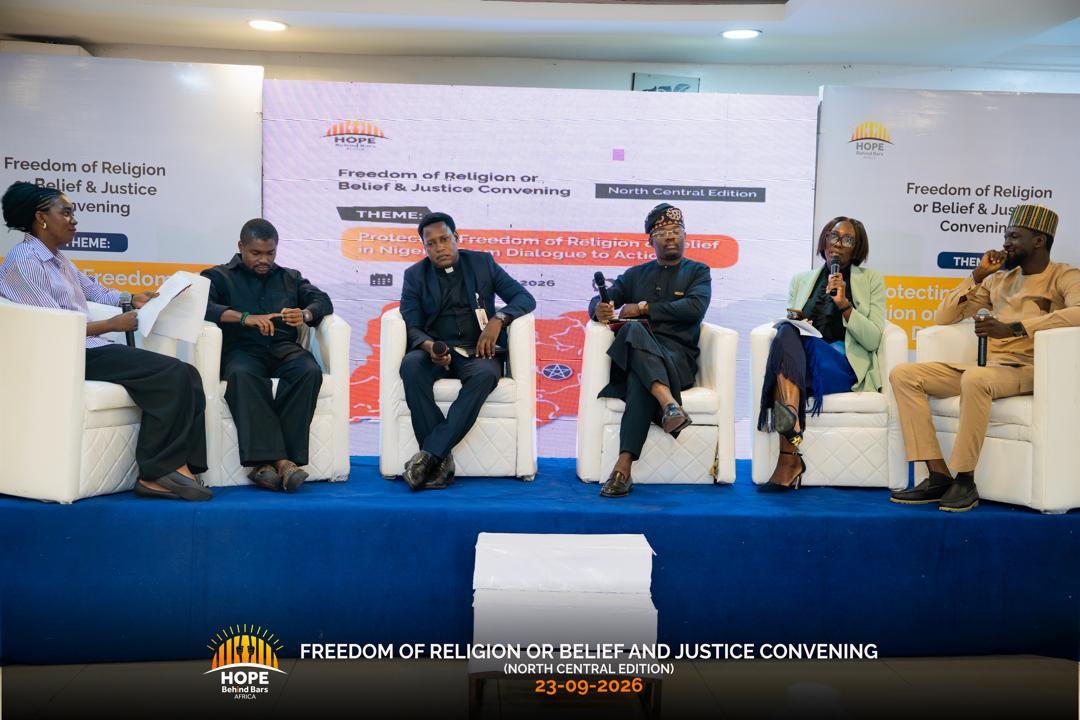
Beyond Tolerance: Strengthening Freedom of Religion or Belief through Rights-Based Criminal Justice and Equal Citizenship in Nigeria
Theme: Beyond Tolerance: Strengthening Freedom of Religion or Belief through Rights-Based Criminal Justice and Equal Citizenship in Nigeria Presented at a Regional Convening on the Right to Freedom of Religious Belief in Nigeria Date: Wednesday, the 23rd of September 2026 Good morning, ladies and gentlemen, standing on existing protocol. I begin with a quote. “No one is born hating another person because of the colour of his skin, or his background, or his religion. People must learn to hate, and if they can learn to hate, they can be taught to love, for love comes more naturally to the human heart than its opposite.”― Nelson Mandela. This famous reflection comes from Nelson Mandela’s 1994 autobiography, Long Walk to Freedom. Mandela observed that children of different races naturally play and live together harmoniously, proving that prejudice is not an innate human trait, but a systemised behaviour taught by society and political regimes. He genuinely believed, and I do too, that human beings, even those who taught or practised hate, remained capable of unlearning it and choosing empathy instead. I believe that this quote lays a foundation for our conversation on Beyond Tolerance: strengthening Freedom of Religion or Belief through rights-based criminal justice and equal citizenship in Nigeria. I ask: why are we here? With Africa being a deeply religious society, the exercise of freedom of religion or belief (FoRB) and related discourse is sensitive across the region. Nigeria is no exception. I believe that a problem exists when it comes to religious tolerance in Nigeria. Tolerance is often passive and conditional: “we tolerate you” because XYZ (act the way we want, speak the way we want, and maybe we can allow you to coexist with us). This is why we must move from Tolerance to Belonging. Tolerance, often defined as the willingness to accept and respect beliefs, behaviours, or differences that you may not agree with. Some may argue that tolerance implies a concession, where a dominant group “tolerates” a minority. Timothy Keller once said that “Tolerance isn’t about not having beliefs. It’s about how your beliefs lead you to treat people who disagree with you.” For Keller, true tolerance is the difficult civic virtue of disapproving of an idea while fiercely defending the human dignity and rights of the person expressing it. This is why we must move from tolerance to belonging. Belonging, on the other hand, is the feeling of being embraced and valued for exactly who you are, whereas tolerance is merely enduring or permitting someone’s presence without truly accepting them. While tolerance stops at coexistence, belonging requires genuine connection and mutual respect. True constitutional democracy demands equal citizenship and mutual respect, not mere endurance. International Foundations of FoRB An effective means to evaluate the extent of this guarantee is to examine the broader body of the legal framework for FoRB rights in Nigeria. The relevant legislation worthy of consideration in this regard includes the following: The Constitution of the Federal Republic of Nigeria 1999 (as amended), the Child Rights Act 2003, and the African Charter on Human and Peoples’ Rights (Ratification and Enforcement) Act, the Universal Declaration of Human Rights, 1948, the International Covenant for Civil and Political Rights. Article 18 of the Universal Declaration of Human Rights (the UDHR is the core document for rights, globally) provides that everyone has the right to freedom of thought, conscience and religion; this right includes freedom to change his religion or belief, and freedom, either alone or in community with others and in public or private, to manifest his religion or belief in teaching, practice, worship and observance. The importance of living free from violence, including violence based on religion, is set forth by the Universal Declaration of Human Rights. In relation to the freedom of opinion, Article 19 outlines the freedom to express ideas without interference. Article 16 outlines the right for men and women to marry and found a family. In relation to violence, Article 9 outlines that no one shall be subjected to arbitrary arrest. Article 7 states that everyone is equal before the law. Articles 3 and 5 also address that everyone has the right to life and that no one shall be subjected to inhuman or degrading treatment. African Charter on Human and Peoples’ Rights guarantees every African the right to Freedom of conscience and to profess and freely practice their religion. Articles 2 & 8 prohibit discrimination on the grounds of religion, ensuring equal protection for diverse faiths, including minority and indigenous belief systems. It provides that no one may, subject to law and order, be subjected to measures restricting the exercise of these freedoms. In essence, Governments cannot force individuals to follow a specific religion or stop them from practising their chosen faith if it does not break public laws or disrupt order. Article 1 of the International Covenant on Civil and Political Rights provides that all peoples have the right of self-determination. By virtue of that right, they freely determine their political status and freely pursue their economic, social and cultural development. Article 18 explicitly mentions the freedom of conscience and religion. Article 20 also reaffirms that ‘any advocacy of national, racial or religious hatred that constitutes incitement to discrimination, hostility or violence shall be prohibited by law’. Advocacy in this regard can be explained as an unambiguous, direct call for the audience to act in a certain way. Nigeria’s signing on to and ratifying these covenants make them binding international commitments, not optional policy suggestions. Domestic and Constitutional Legal Frameworks Sec. 38 of the 1999 Constitution of the Federal Republic of Nigeria guarantees every citizen the right to freedom of thought, conscience, and religion. It asserts that everyone has a right to hold any religious belief or change their religion. It protects the rights to public and private practice of religion by asserting that every person can practice, teach, and share their faith alone or with others, in public or in private. It prohibits places of education from forcing people to take part in or attend any religious ceremony
Read More
Speaking at an event hosted by the Gender Mobile initiative on the need to build systems and structures around protecting students in higher institutions from sexual and gender-based violence, technology facilitated gender based violence.
Speaking at an event hosted by the Gender Mobile initiative on the need to build systems and structures around protecting students in higher institutions from sexual and gender-based violence, technology facilitated gender based violence. SGBV and TFGBV have a significant impact on how women navigate spaces, whether online or offline. It is important to ensure that these spaces are safe enough for women to fully enjoy their fundamental rights to privacy, expression, association, assembly, and related rights. Tsema remains committed to ensuring the protection and promotion of human rights across diverse spheres
Read More
High Level Conference hosted by the Heinrich Böll Foundation on the Glass Ceiling Project with Tsema Yvonne Ede as the Consultant
The idea of the project is to interrogate the perception that women do not support women in Nigeria. Our research focused on women working in politics, media, civil society, and academia. The research revealed interesting reflections of women on subjects like internalised biases. hypercriticality and the perfection standards, access to funding, and generational perceptions. It is important to note that Nigeria, Africa’s largest economy and most populous nation, has made significant strides in various sectors. However, gender inequality remains in leadership, and political participation remains a continuing setback. Despite a rich history of powerful female figures, women are grossly underrepresented in both public and private sector leadership roles. This underrepresentation is often attributed to systemic barriers such as patriarchal norms, political and financial hurdles, and deep-seated societal biases. While these external factors are widely acknowledged, the subtle, psychological, and internal dynamics among women themselves, which can either accelerate or hinder progress, are often overlooked. Despite extensive research on the underrepresentation of Nigerian women in leadership due to structural and cultural barriers, a less-examined aspect is the role women themselves play in this dynamic. This project, titled ‘The Role of Women in Women’s Leadership Advancement in Nigeria: Realities and Reflections’, seeks to critically analyse the notion that women’s own actions or inactions may inhibit their progress and the progress of their peers. Findings from recent projects supported by HBS, Nigeria, in Abia and Oyo States have brought this issue into focus. The studies revealed that some women who attain leadership positions have become gatekeepers, failed to mentor others, or engaged in internal conflicts that weaken the collective female voice. Inadvertently, reinforces patriarchal norms. This situation, often stemming from long-term marginalisation and the ‘one seat at the table’ precept, can manifest as either timidity or hostility towards fellow women. This project seeks to challenge these perceptions and to build a more collaborative path forward.The conference provided an opportunity for stakeholders to discuss the ‘Realities, provide a platform for ‘Reflections’, and propose Solutions-it also allowed participants to investigate how stereotypes and hidden biases contribute to the glass ceiling hindering women’s upward mobility.•The conference presented the perceptions and experiences of both emerging and established female leaders. Participants fostered mentorship matches, built comradeship, and possible networks. Participants developed locally relevant and culturally appropriate strategies to address the identified barriers.
Read More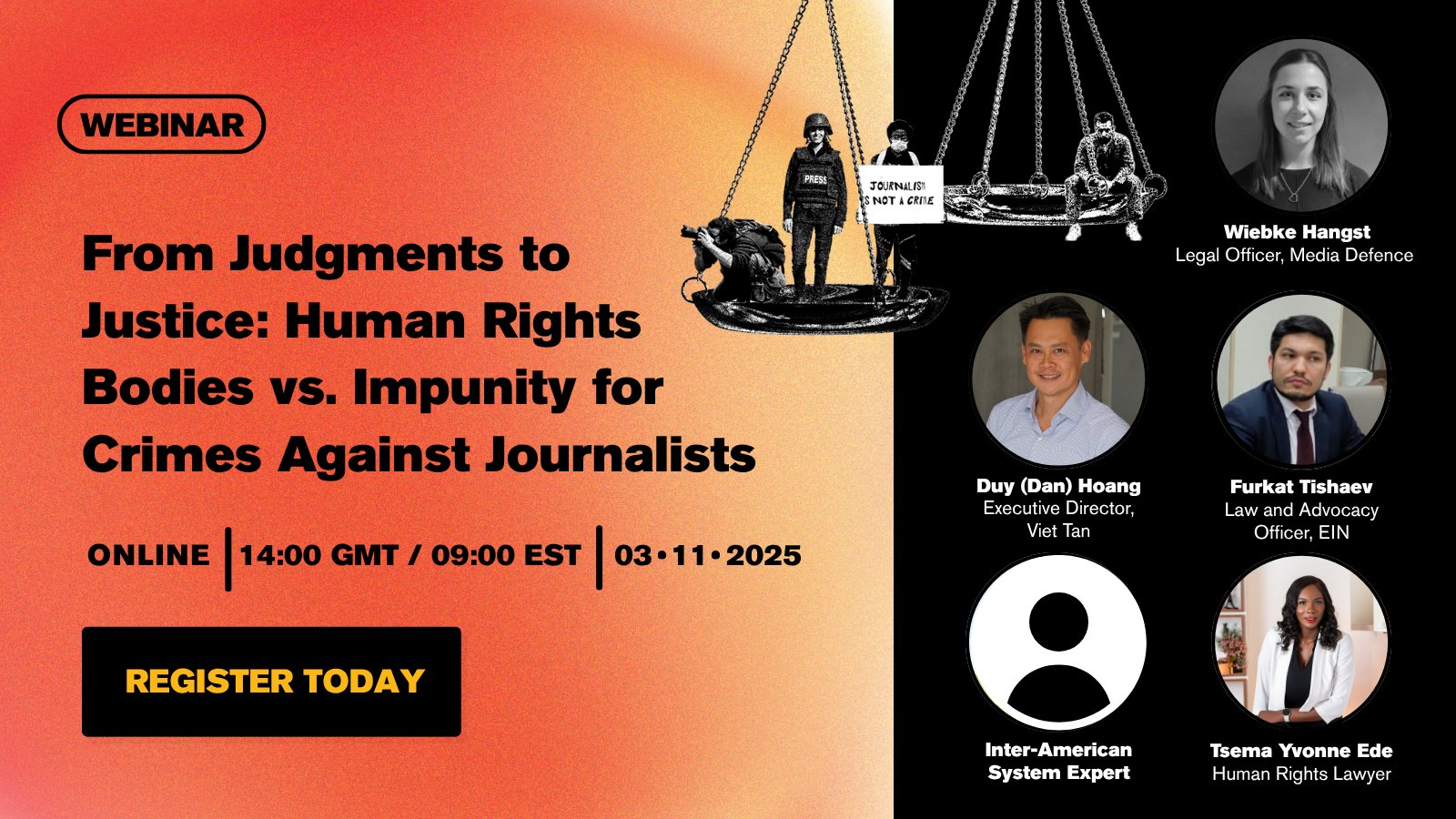
From Judgments to Justice: Human Rights Bodies vs. Impunity for Crimes Against Journalists
⚖️ Webinar: From Judgments to Justice for Journalists In a powerful online webinar, “From Judgments to Justice: Human Rights Bodies vs. Impunity for Crimes Against Journalists,” Tsema contributed to a global dialogue on combating impunity. Alongside a distinguished international panel, she explored how rulings from human rights bodies can be transformed into concrete accountability, ensuring justice for journalists targeted for their work.
Read More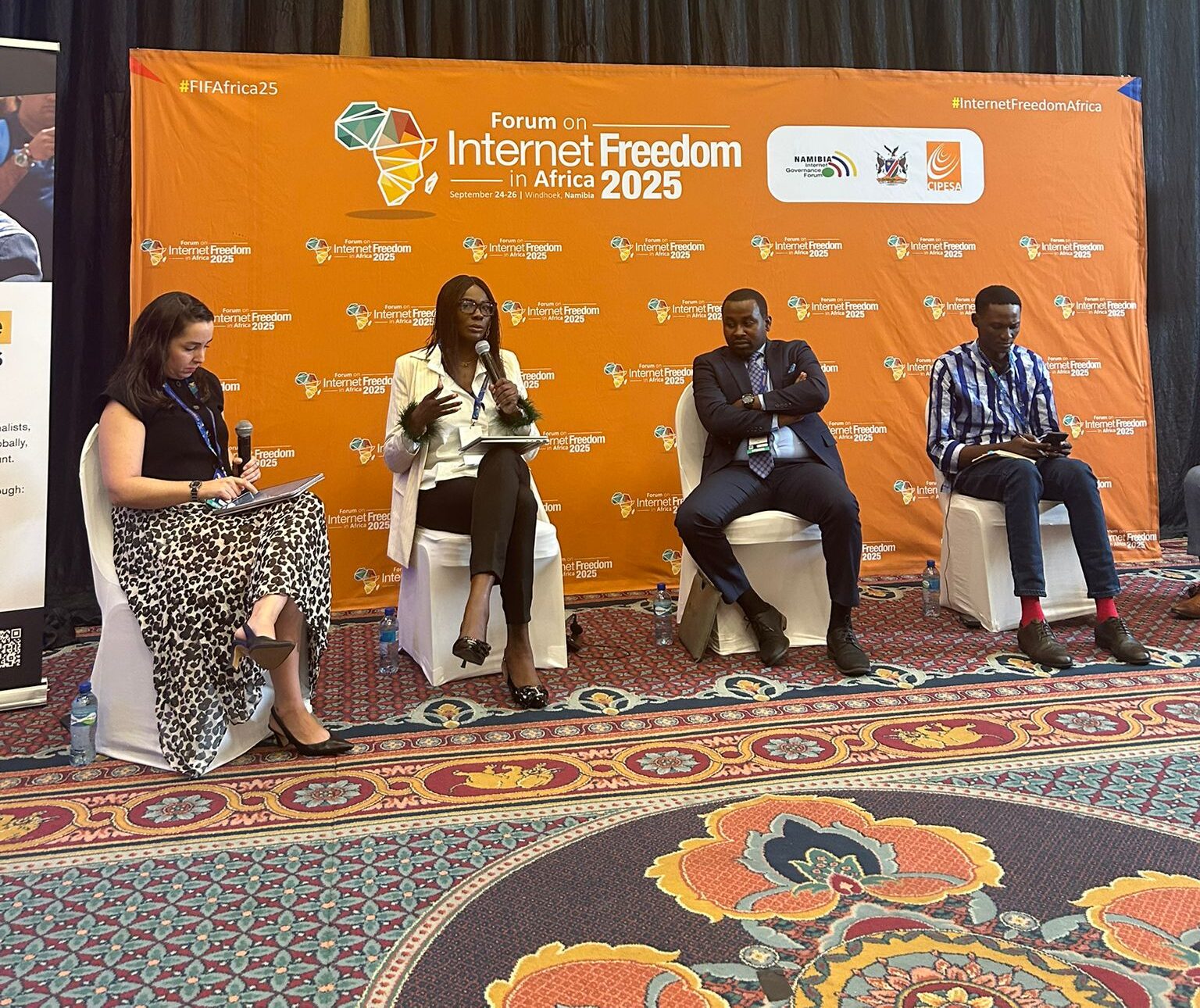
Surveillance Tech and the State: Legal Resistance to Digital Authoritarianism in Africa
Panel Discussion: Resisting Digital Authoritarianism in Africa Tsema joined fellow experts at the Internet Freedom Forum Africa 2025 in Windhoek, Namibia, for a panel titled “Surveillance Tech and the State: Legal Resistance to Digital Authoritarianism in Africa.” The discussion focused on the growing use of surveillance technologies by state actors and the legal frameworks and resistance strategies essential to protecting digital rights and freedom of expression across the continent.
Read More
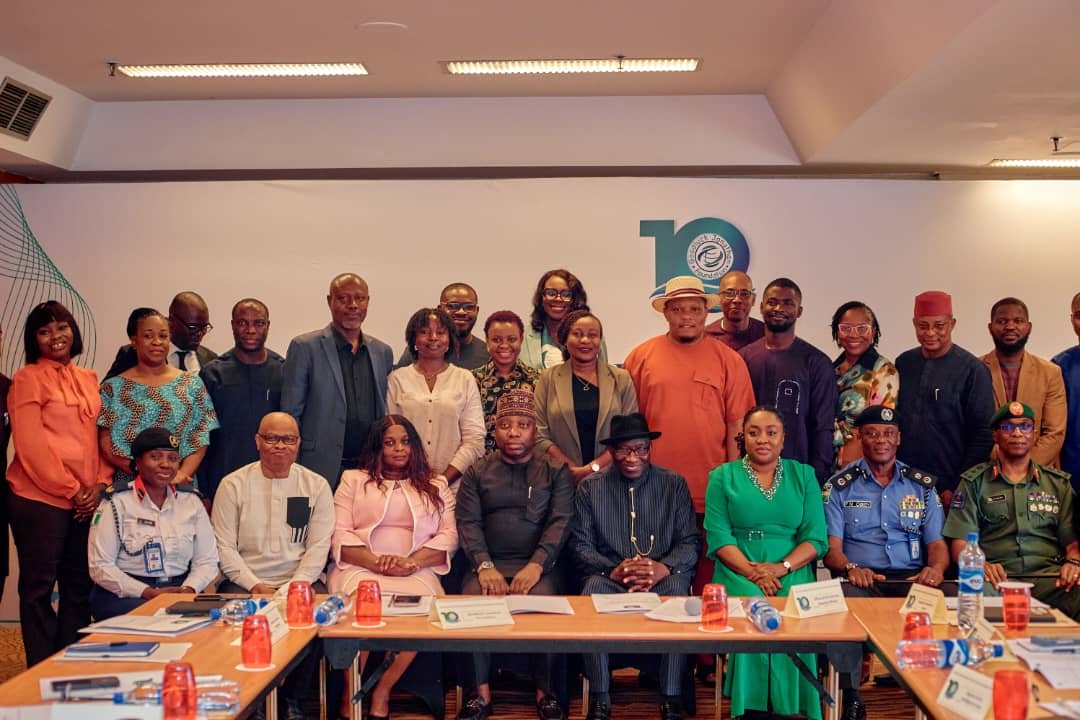
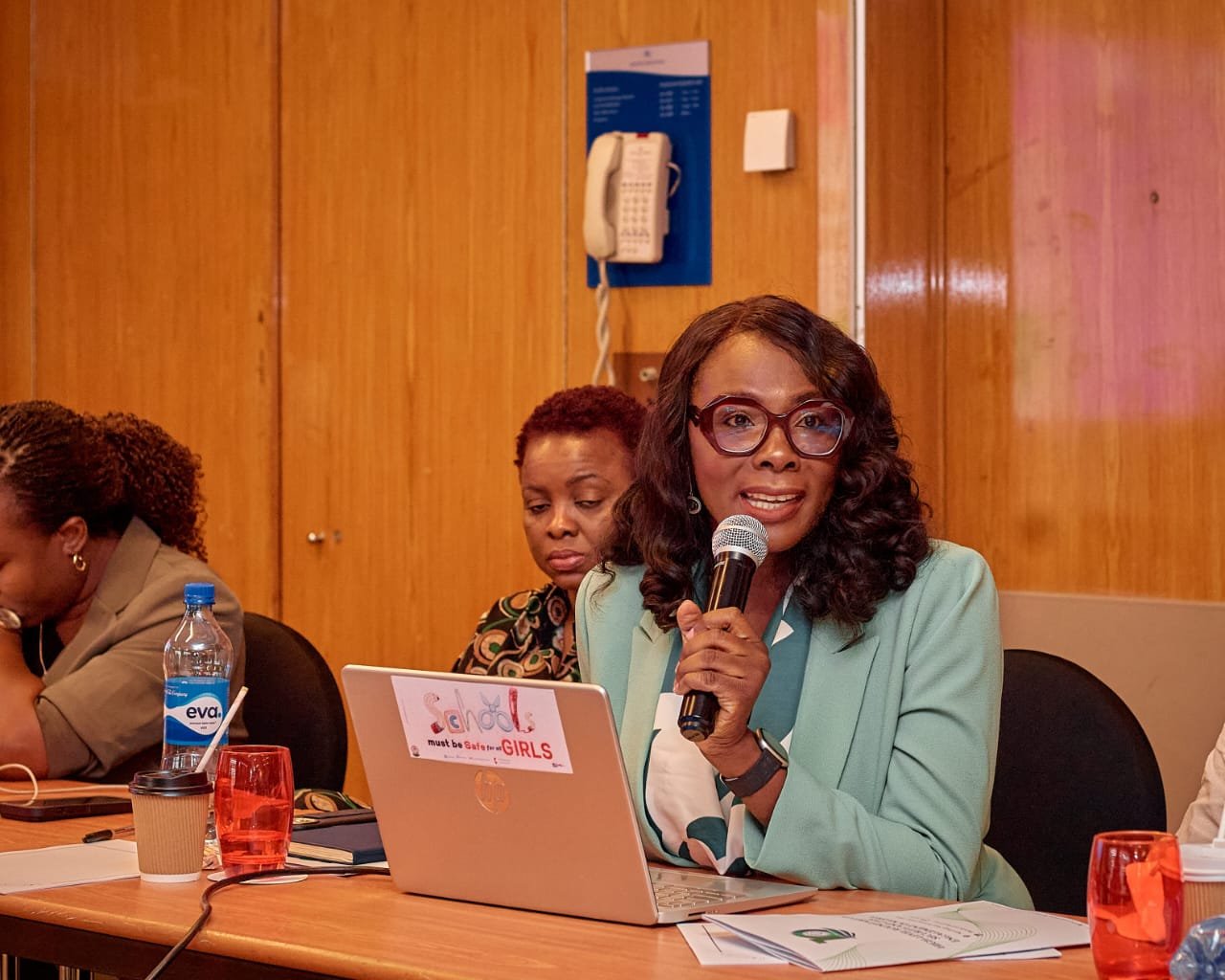
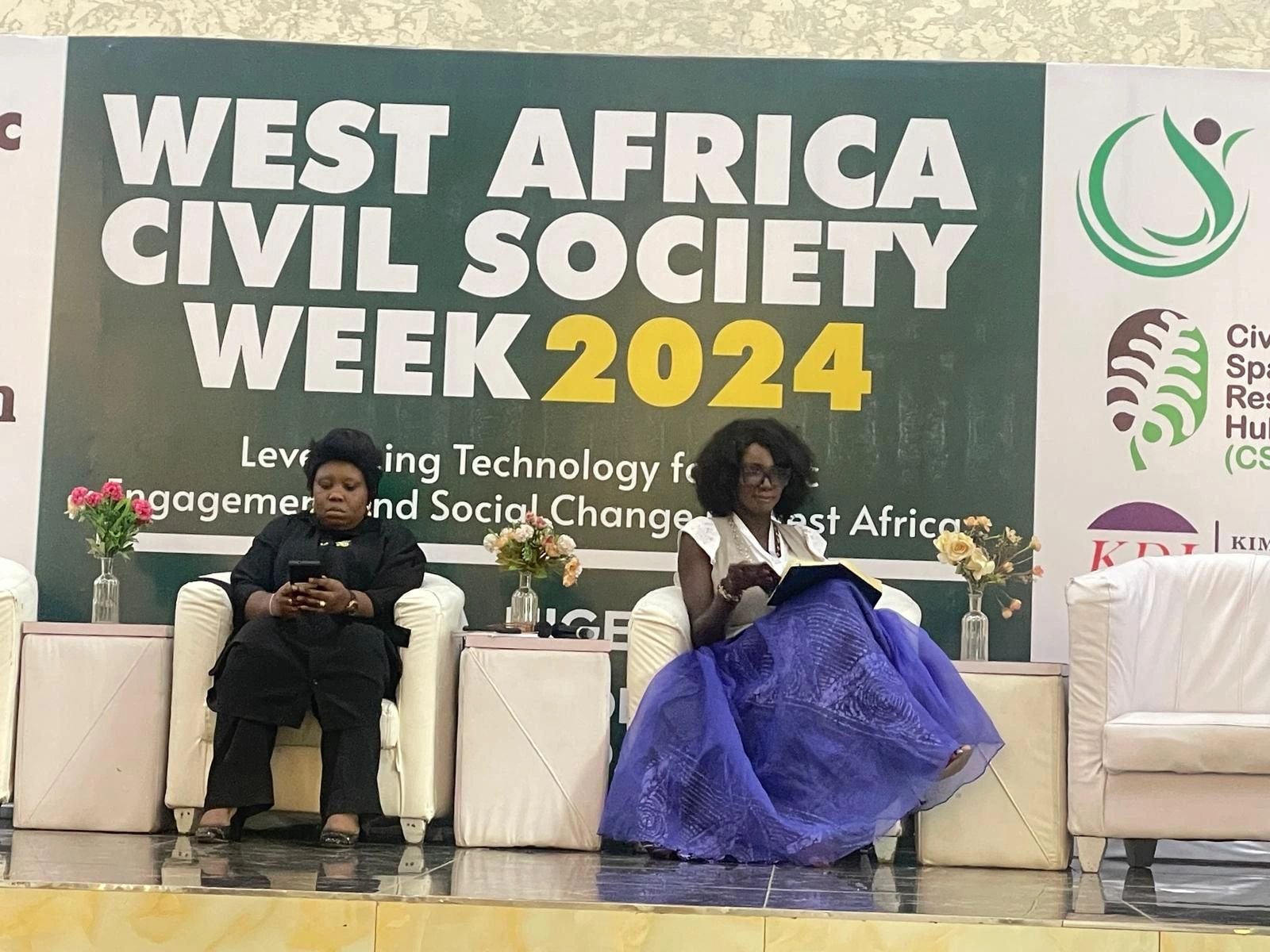
My favourite thing about panel conversations is that I feel like I’m talking with friends.
My favourite thing about panel conversations is that I feel like I’m talking with friends. Interestingly, the intense preparation I put ahead of these panels, you’d think I was preparing for a dissertation defence. Teehee. That said, I enjoyed sitting on Rise Network’s panel on Responsible and Ethical AI for Civic Space Protection. I thoroughly enjoyed the conversation with the other panelists, the moderator also did a great job in directing the conversation towards identifying the governance problems that we believe can be solved with AI while at the same time recommending solutions to the identified problems.
Read More